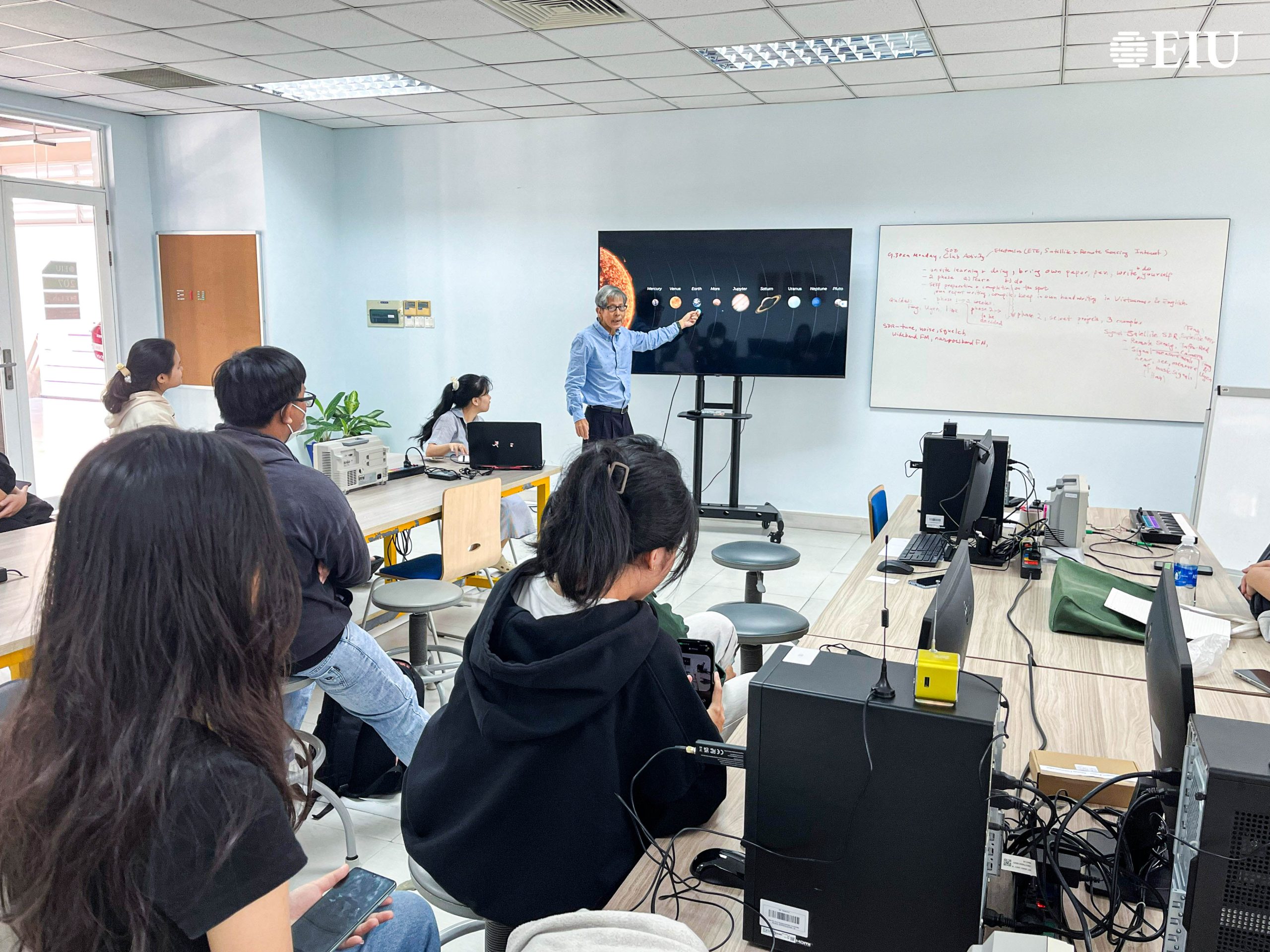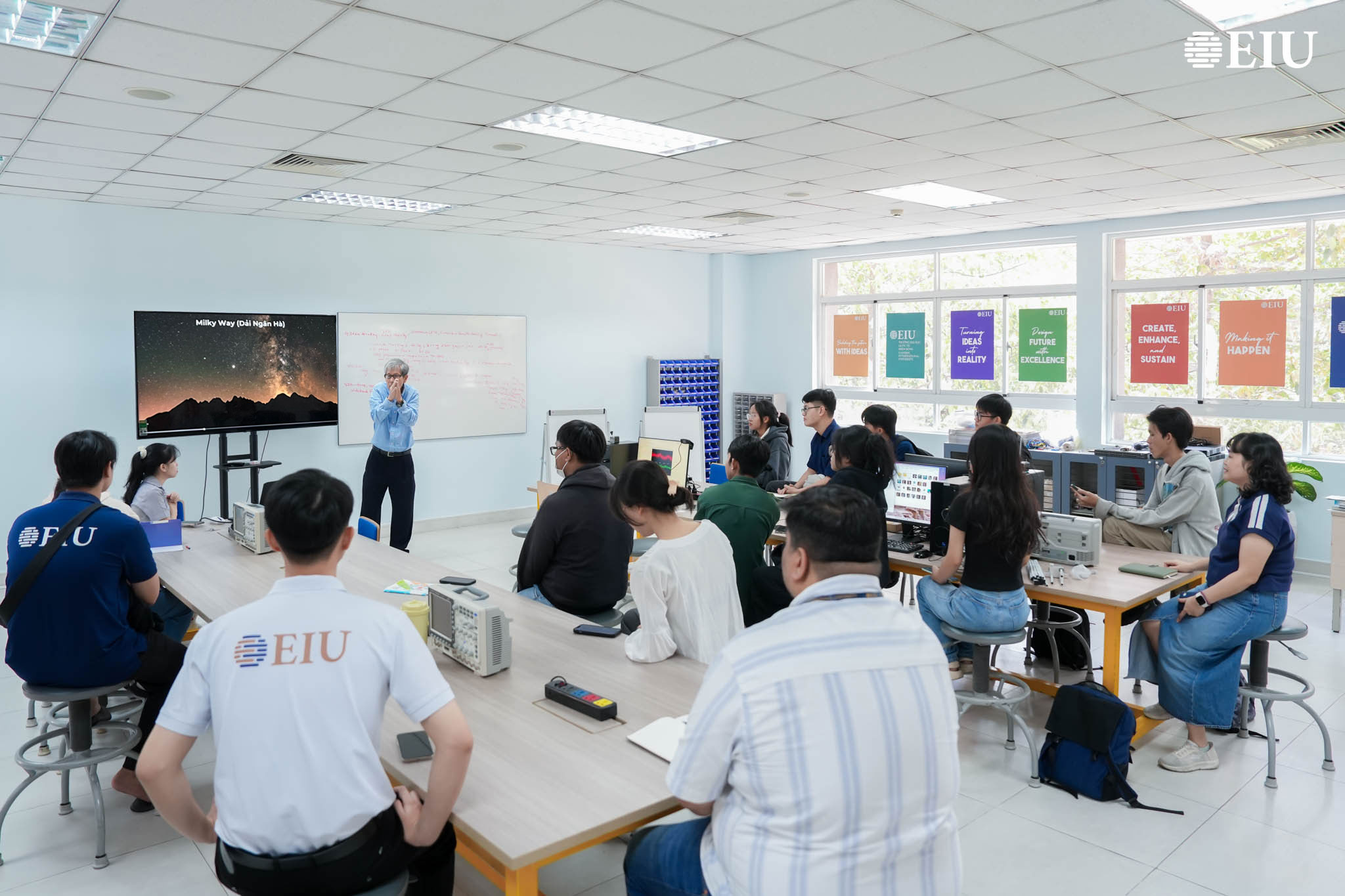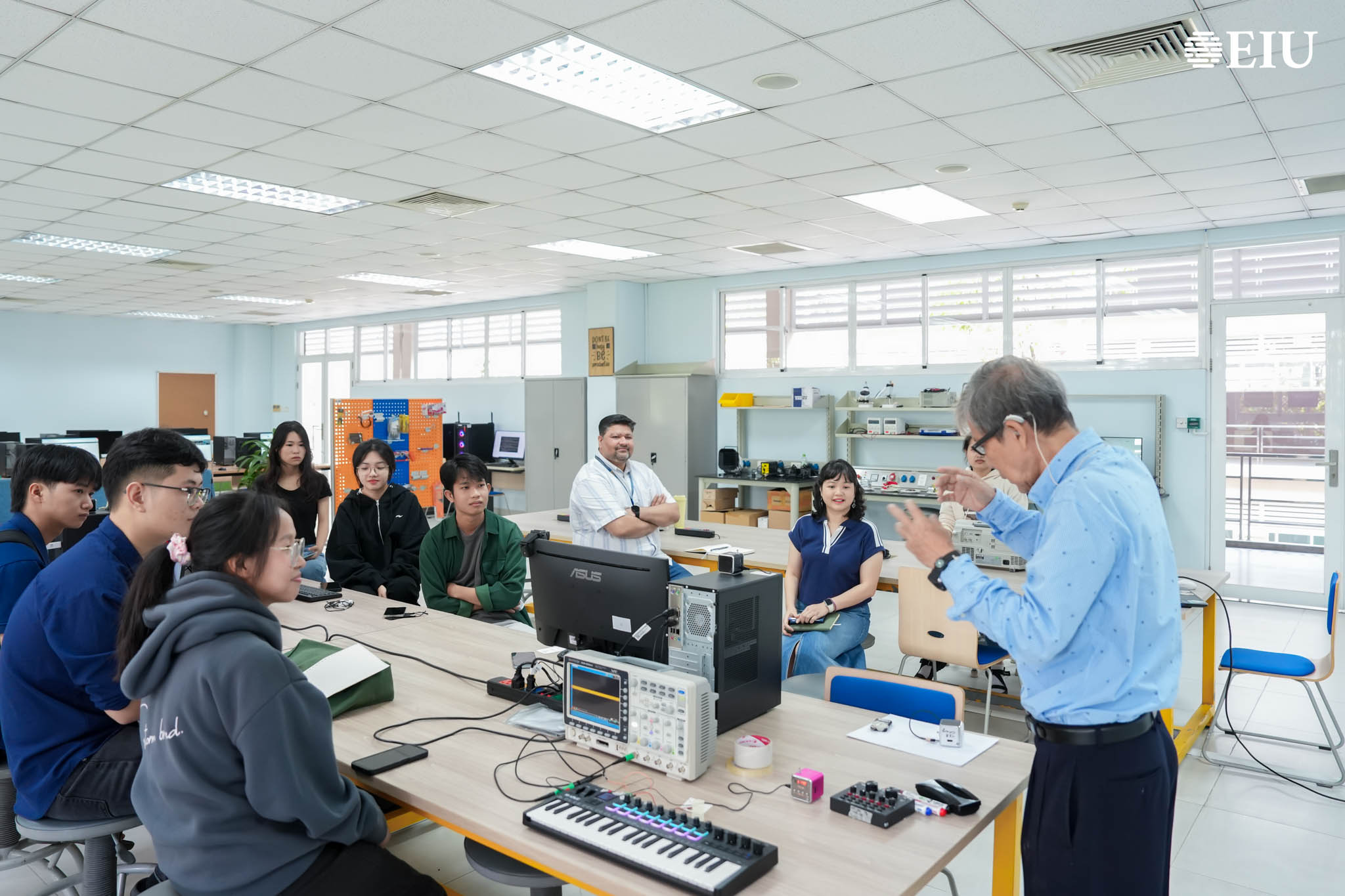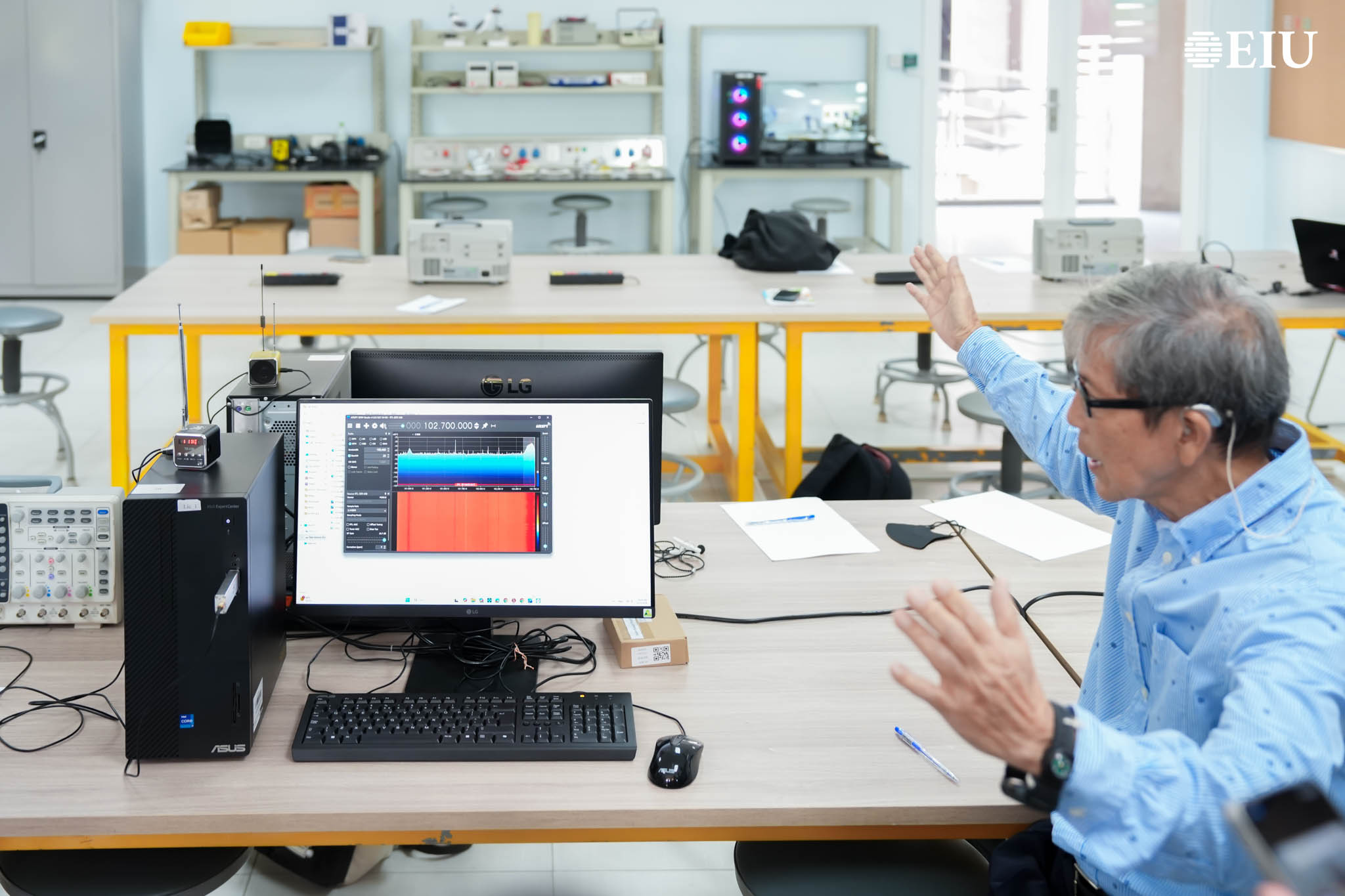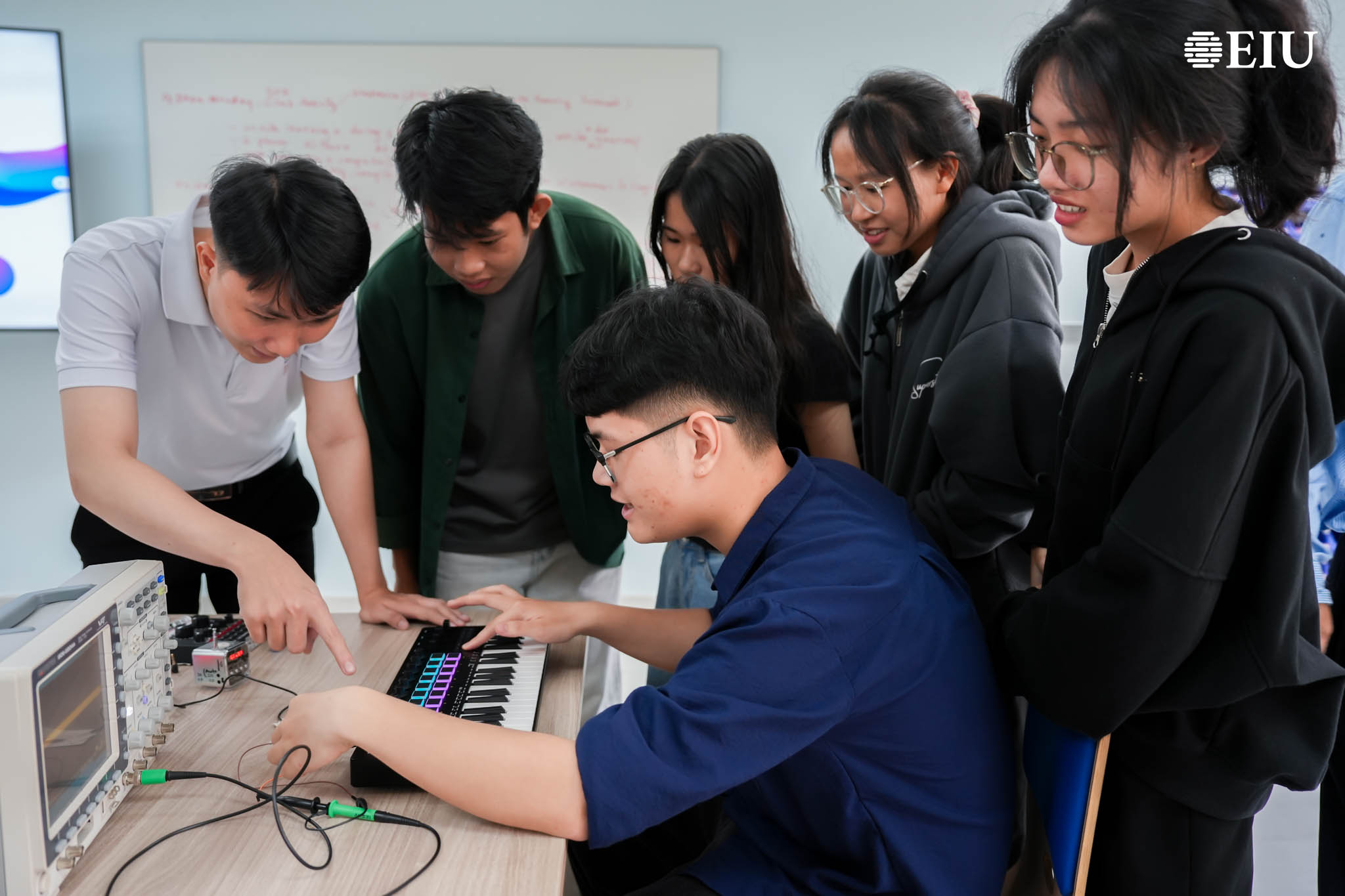

On March 23, the Engineering Student Club of Eastern International University (EIU STEC), in collaboration with lecturers from the Electronics and Telecommunications Department, organized a workshop titled “Satellite Communication & Remote Sensing” at the Electronics and Telecommunications Engineering Laboratory (ETE Lab). This was one of the first academic activities held following the official inauguration of the laboratory, where students and lecturers work together on project-based learning activities in the spirit of combining theory with practice.
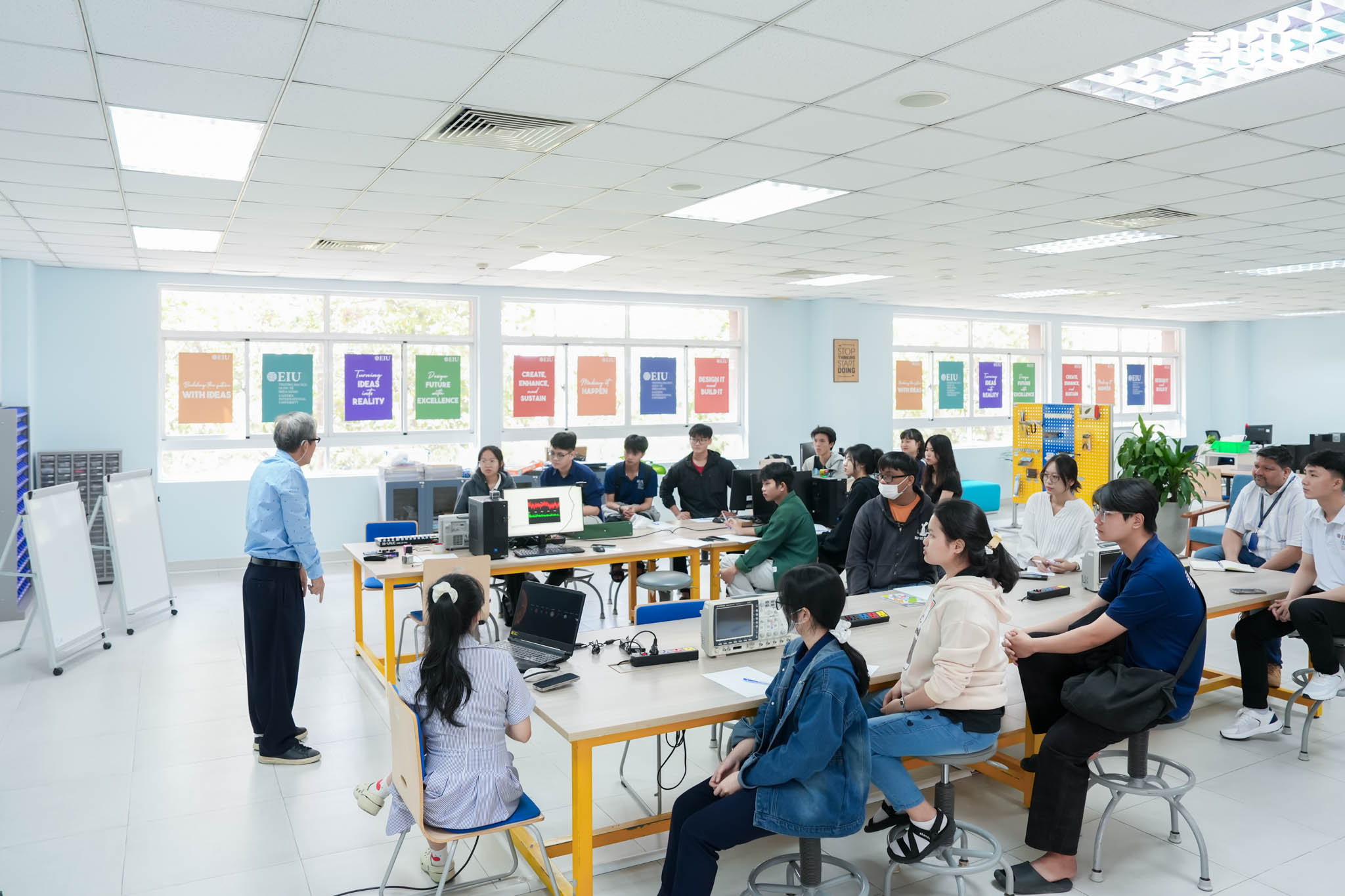
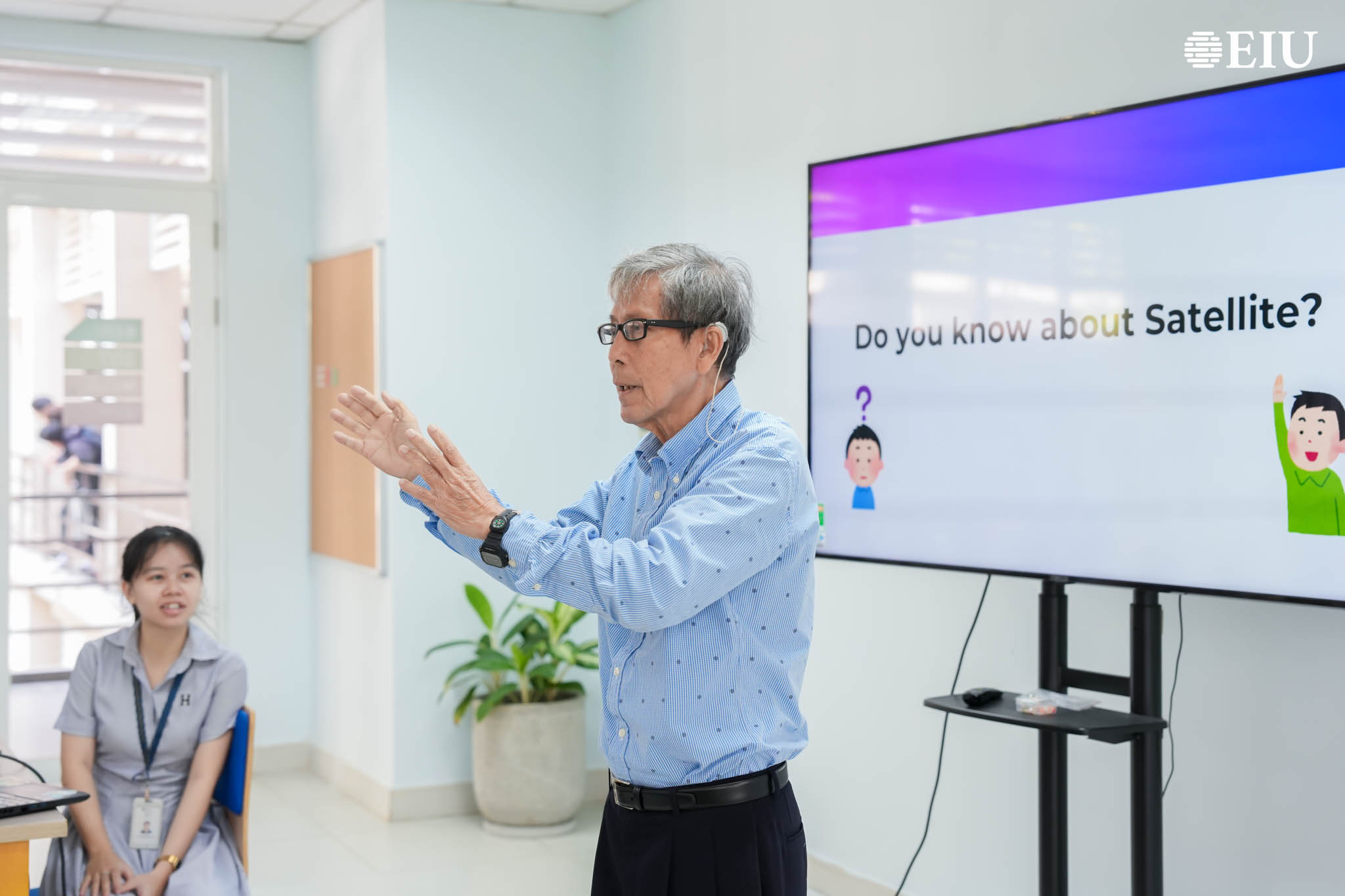
Dr. Fong Aik Meng, a lecturer from the Electronics and Telecommunications Engineering
introduced fundamental concepts and emerging trends in satellite communication and remote sensing technologies
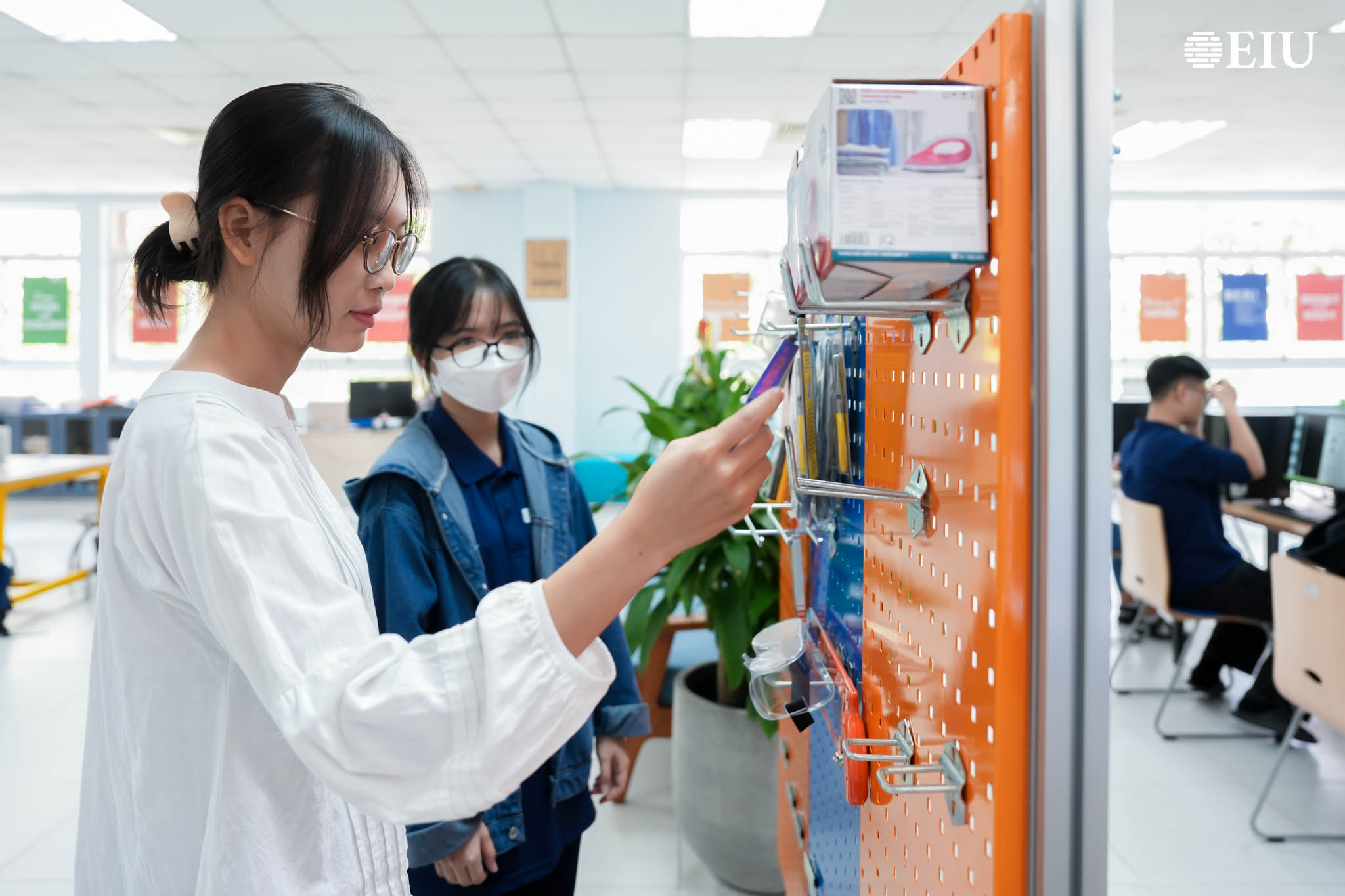
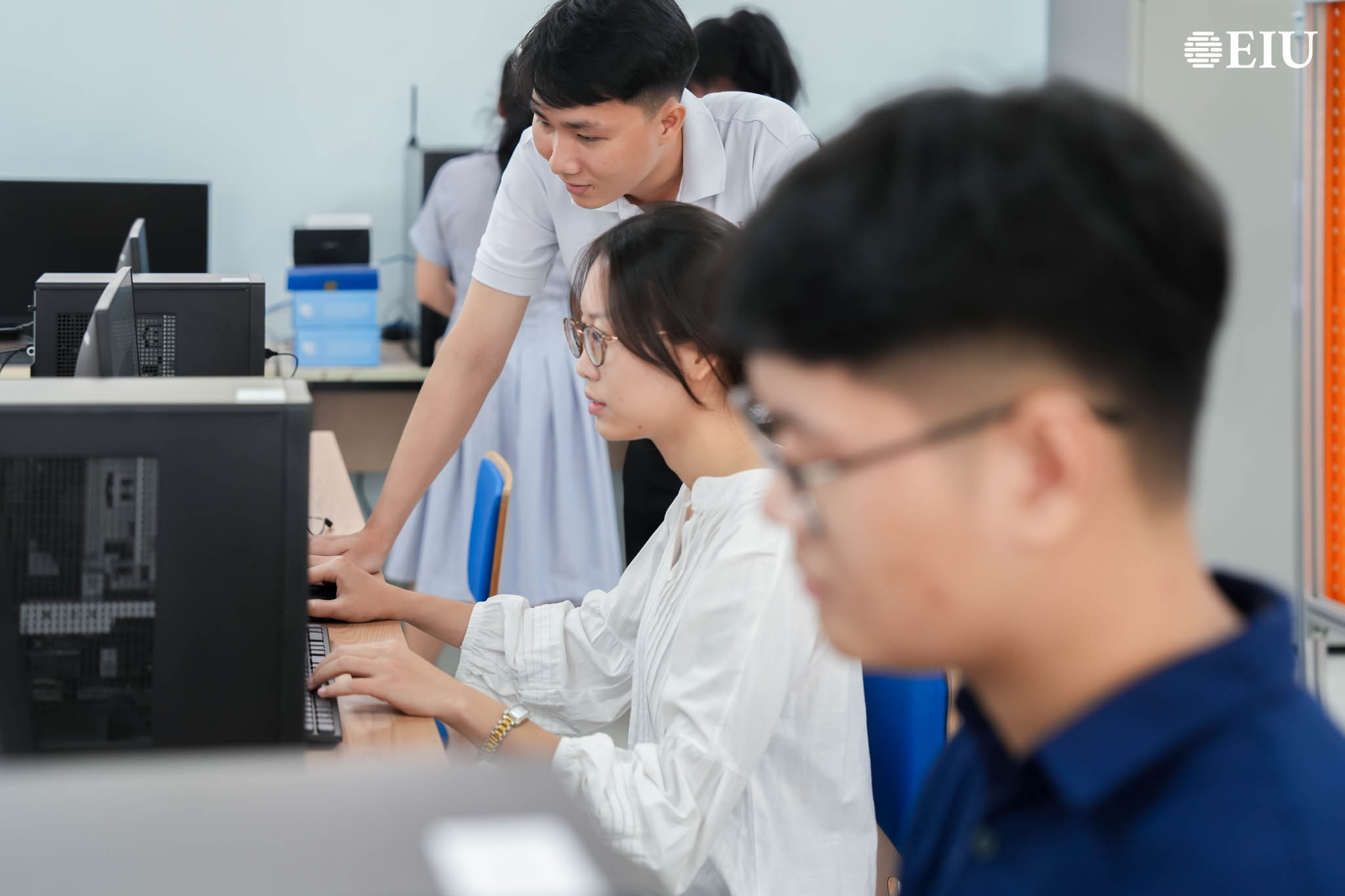
The ETE Lab is a practice-oriented laboratory for first- and second-year students majoring in Electronics and Telecommunications Engineering. Designed as an open learning space, it enables students to study, use computers and specialized software, practice electronic circuit design and assembly, develop projects, and turn their ideas into electronics products under the guidance of lecturers. The ETE Lab is the result of the dedication and commitment of the lecturers in the Electronics and Telecommunications program, who hope it will become a place where students regularly gather after class to study, exchange ideas, and further cultivate their passion for engineering in general and electronics and telecommunications in particular. In the coming period, the ETE Lab will continue to expand its practice-based learning activities, support the operations of the EIU Student Engineering Club (EIU STEC), and facilitate student research projects.
Some images at the event: